


Introduction
Life today has drastically changed due to the COVID-19 epidemic – we don't go out much anymore, and masks are worn everywhere to avoid catching it.
Masks are part of our daily lives, but not without frustration. sport, In particular, it can be complicated with a mask – and is it really good for your health to wear one? mask during training?
It is perfectly possible to continue your training regimen during this particular time – here are our tips on how to do it:
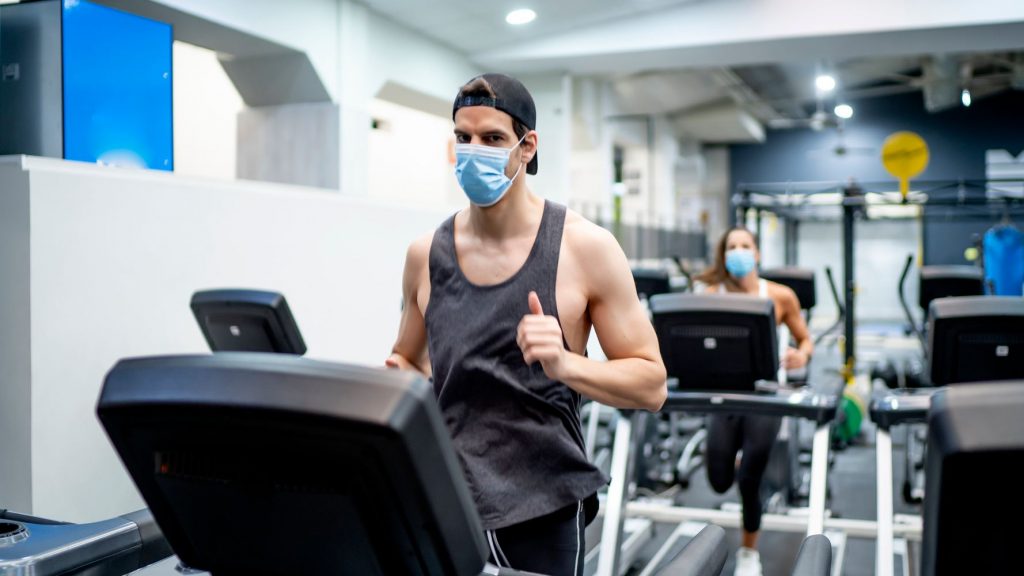
Is it safe to train while wearing a mask?
Wearing a mask is a way to slow the spread of infectious diseases, including COVID-19. Yet, many people see masks as a potential barrier to exercise.
But don't worry – you are not putting your health at risk by wearing a mask during physical activities.
However, some things need to be taken into consideration.
In fact, there is, a decrease in airflow with a mask during sports; That is to say, less oxygen reaching your body.
Furthermore, because the heat is trapped in front of your face by the mask, your body temperature will increase, as will your heart rate.
A major warningThe idea of carbon dioxide retention – that masks could trap CO2 near your mouth and make you dizzy – is a common talking point against masks, but doctors have debunked it quite completely, pointing out that healthcare professionals typically wear masks for hours without adverse effects.
However, some of us are at greater risk when exercising with a mask.
People with chronic illnesses are advised to exercise alone at home, with supervision if needed, without wearing a mask. Some of the most common illnesses include chronic obstructive pulmonary disease (COPD), asthma, occupational lung diseases such as mesothelioma, and pulmonary hypertension.
In most situations, you should expect an increase in your heart rate when exercising with a mask. For this reason, people often experience an increased perceived exertion and decreased performance during resistance training and aerobic exercises. This feeling is similar to the physical and psychological effects experienced when training at higher altitudes.
Although your body is working very hard, you still cannot reach the milestones you expect.
A study published in 2016 The eight-person study revealed that wearing a mask during resistance exercises, such as weightlifting, made people feel like they were working harder – but they actually performed less well. muscular than people performing the same movements without a mask.
Your aerobic routine might be slightly less affected, however. A 2020 study It was revealed that surgical masks did not appear to affect the performance of people cycling on exercise bikes. It all depends on your individual level of cardiovascular fitness and the intensity of your workout, so carefully monitor your own performance.
This can often put your nervous system and breathing into “panic mode” – shortness of breath, increased anxiety, trembling, feeling of suffocation – so be mindful of addressing this with breathing exercises.
If you wear a mask while exercising, be aware of:
- Dizziness
- Drowsiness
- Fatigue
- Headache
- Muscle weakness
- General discomfort
- Shortness of breath
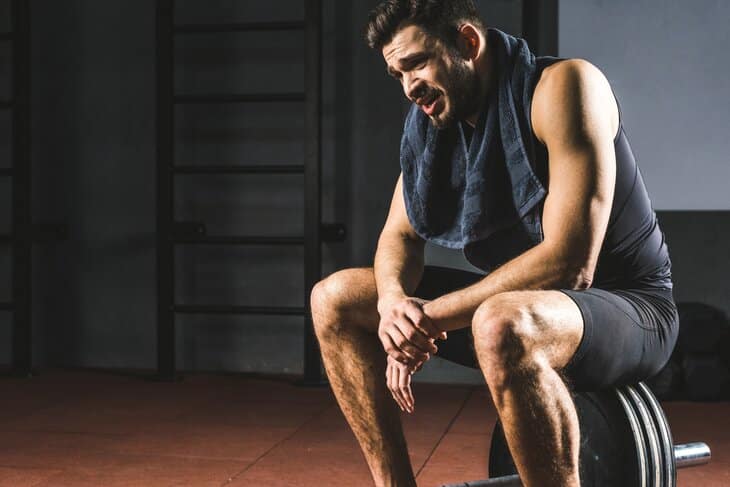
If you experience these symptoms, stop and take a break until they subside. If possible, remove your mask and try taking a few calming breaths. This can help restore your breathing levels and reduce stress on your heart and lungs. If these symptoms persist or worsen, stop the activity. In severe cases, consult a doctor.
What Types of Training?
For this reason, it is recommended It's best to do low- to moderate-intensity exercise rather than vigorous exercise while wearing a mask. Reduced oxygen levels can affect breathing and your ability to properly regulate your body temperature.
To determine if your activity is moderate/low or vigorous, try the "talk test." Generally, a person doing moderate-intensity aerobic activity can talk, but not sing, during the activity. A person doing vigorous activity cannot say more than a few words without pausing to breathe.
Examples moderate-intensity exercises:
- Walk briskly at 2.5 mph or more
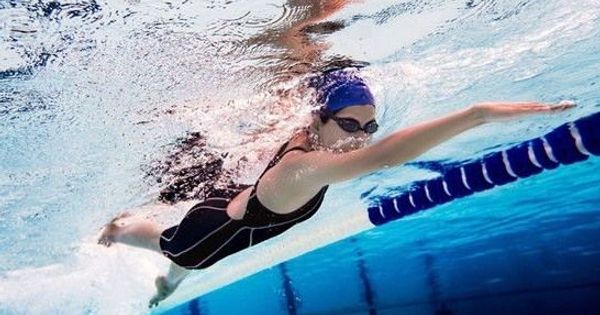
- Recreational swimming
- Bicycle slower than 10 MPH on flat terrain
- Recreational tennis, especially doubles
- Active forms of yoga, such as vinyasa
- Ballroom or line dancing
- General gardening and home repair work
- Exercise classes, such as water aerobics
Before training with a mask, consider reducing your level of effort – that is, the weight with a training in resistance or mileage in aerobic activities, such as running and cycling – at a lower level than you would have done without a mask.
What Type of Mask Should I Wear?
The masks Fabric or moisture-wicking materials like polyester generally work well. Paper or surgical masks tend to break down as they become damp from sweat and increased exhalation during exercise.
The mask material should not be more than two layers thick.
You should not use an N95 mask during exercise, as these masks have been found to increase levels of humidity, heat, breathing resistance, and general discomfort.
You might also consider having a spare mask on hand to replace a wet one.
An excellent way to maintain good hand hygiene when changing masks is to carry a travel-size container of hand sanitizer with you.
Masks are also very effective at reducing the amount of pollution you inhale, whether you are in the middle of a workout or not.
There is specific masks that you can find that are designed specifically to prevent more pollution, ideally if you live in an urban or highly polluted area.
Leave a Reply
You must be logged in to post a comment.