


No matter how intense your workout, you've probably heard that it's important to do some recovery exercises. In fact, it's just as important as the workout itself, provided you do it correctly! Here are some tips, exercises, and the benefits of recovery exercises.
Why is it important to take a few minutes to recover?
Before we look at recovery methods after a workout, you should know that post-workout recovery is beneficial for your body. It helps prevent dizziness, which can be more or less prevalent depending on the intensity of your session.
A effort Intense physical activity will notably cause dilation of blood vessels which could lead to dizziness, nausea, muscle aches and even fainting due to increased blood flow in the legs, slowing the heart rate.
The benefits of recovery exercises are numerous. They will help calm your body and return to a state of comfort, reduce the risk of injury, and gradually bring your heart rate back to around 100-120 beats per minute and restore normal blood pressure. The benefit is not only physical, but also mental, as it will soothe your mind and help you relax.
A training program should always include a post-workout phase of at least 3 to 10 minutes to allow for better repair of the muscles and tissues that begin to break down once the session is over. Whether you have done a marathon, CrossFit, Zumba, the muscles work and get tired.
If you're in a hurry, just take a few minutes to stretch! And if you have a little more time after a run or cardio session, for example, take advantage of it to do your recovery in two phases. The first will consist of gradually slowing down your movements and pace for 5-10 minutes to slowly and gently return to a normal state, and the second will consist of doing stretching and relaxation exercises.
How to recover properly?
Now that we have seen together what this can do for you, here are some ways to recover after a workout and other tips you can do during your recovery phase.
#1: Stretching exercises
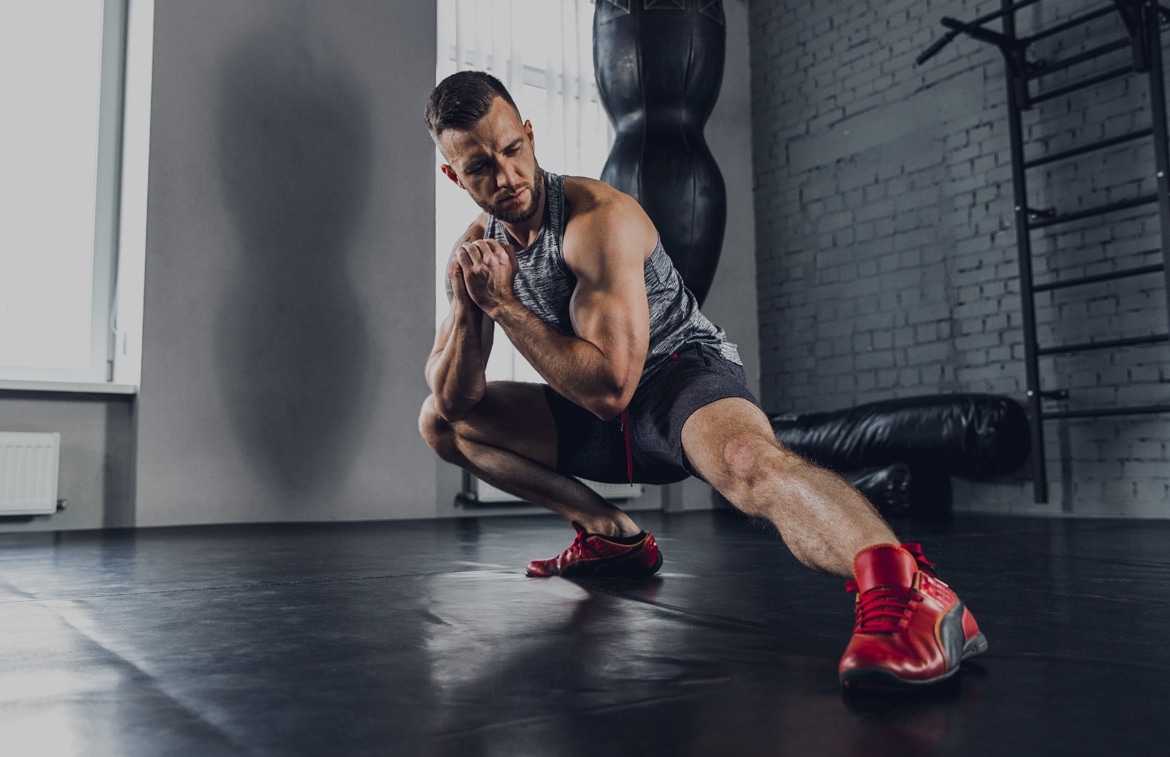
Ideally, you should take 15-20 seconds to stretch each group of muscles Do yoga poses immediately after your workout to avoid potential injuries. Yoga poses are highly recommended to release physical and mental tension and improve flexibility.
Gently stretch the muscles that have worked the most. If your session mainly consisted of strengthening the biceps and triceps, then your recovery phase should include stretching exercises for those muscles.
For example, in yoga, Stretching from your knee to your chest will help relax your hamstrings, glutes, and lower back. Bending forward is also a very simple but truly beneficial movement if you frequently work your back and need to lengthen your spine.
There are many different styles of yoga and poses you can explore to find what best suits your workouts and the muscles you use most. The great thing about yoga and these stretching exercises is that they're suitable for all levels and ages—go at your own pace!
#2: Relaxation exercises
As mentioned earlier, it's important to calm your breathing after a workout. When breathing is deeper and faster, you burn more calories, so once you've finished exercising, try to return your heart rate to normal. Take deep breaths, and your body will gradually begin to cool down. Breathing exercises may seem simple, but they have benefits for both body and mind.
To enhance and amplify this moment of relaxation, you can even finish by lying down for a minute, fully relaxing all your muscles. Don't think about anything else; focus solely on your breathing, the well-being this session brings you, the feeling of accomplishment, and recharge your energy for a few moments… You'll see, it will motivate you for your next workout!
#3: The massage moment
Indeed, numerous studies have proven the benefits of post-workout massages and their ability to accelerate muscle recovery. If you do this yourself, make sure your muscles are always aligned.
What you can do, apart from classic massages, would be, for example, to take a foam roller and use your weight roll the body along your back, legs, and neck. Be careful not to roll too hard or too deeply, as this could have the opposite effect and damage the muscles you just worked!
#4: Hydration
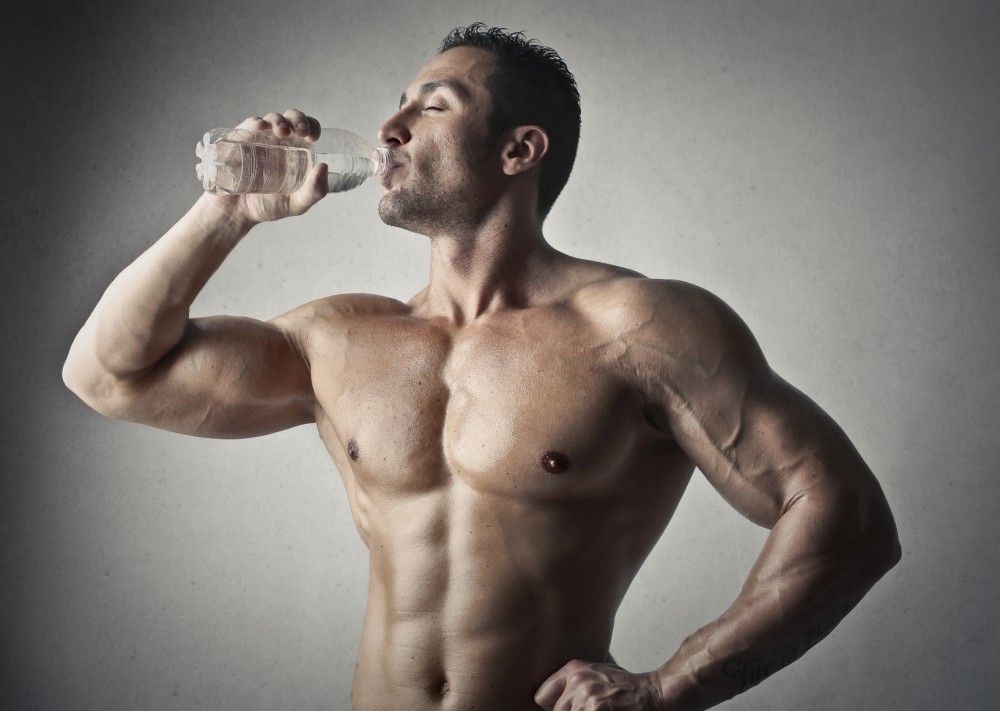
It can't be stressed enough: proper hydration is crucial when exercising. As you know, the body is mostly made up of water, and with every movement, our bodies lose it, leading to even more sweating during physical activity! So, whether it's before, during, or after your workout, remember to hydrate regularly.
This will help reduce the risk of muscle soreness and cramps. Some people also like to drink a protein shake 15 to 30 minutes after their workout because that's when your metabolism is at its most efficient for your muscles to absorb nutrients. But for most of you, water and perhaps a piece of fruit or a protein snack will be enough to replenish your energy!
#5: The shower and the cold
We don't take enough time to shower immediately after a workout when we're in a hurry, but a shower will help eliminate toxins and prevent the proliferation of bacteria… However, be careful with the water temperature to avoid thermal shock; cool your body down gently!
For top athletes, you might also be interested in cryotherapy or alternating between hot and cold baths, which is gaining more and more popularity to facilitate recovery.
However, recovery doesn't stop once you step out of the gym… To ensure the benefits of recovery exercises last, try to stay as relaxed as possible and avoid stress that could re-establish certain muscle groups. muscles And above all, enjoy a good night's sleep!
As you will have understood, this recovery phase after a training session is important, do not neglect it, take your time and listen to what your body as well as your mind needs!
Recovery is just as important as the training itself. I know plenty of guys who get injured stupidly like that, always pushing themselves without knowing when to stop.
Hello,
Thank you for taking the time to read the article and share your experience.
Sincerely,
A cold bath is the best part after a big physical effort, don't you think?
Yes, I like it, but personally, massages are my favorite.
Hello,
Thank you for taking the time to read the article and share your experience.
Sincerely,