


Understanding the function and importance of the liver in health. Everything you need to know about protecting your liver and what products are necessary for a healthy liver.
Introduction
In the upper right quadrant of the abdominal cavity, there is a large, red mass that does not beat, does not move much, and resembles jelly: this is the liver.
This organ is so vital that we could only survive for a day or two if it suddenly stopped functioning. Fortunately, it has the ability to rebuild and regenerate itself. Up to two-thirds of the liver can be removed, and what remains will regain a normal size within a few months, thanks to its incredible capacity to create new liver tissue from the remaining healthy cells.
The liver helps metabolize fats. It produces bile, which breaks down fat while also acting as a filter to cleanse toxins from our blood, helping us feel energized. Optimizing your liver health can help you lose weight and reach your fitness goals.
The essential functions of the liver
- Store vitamins, sugar, and iron to help give your body energy.
- Control the production and elimination of cholesterol.
- Eliminate waste, medications, and other toxic substances from the blood.
- To produce clotting factors to stop excessive bleeding after cuts or injuries.
- To produce immune factors and eliminate bacteria in the bloodstream to fight infection.
- To release a substance called "bile" to aid in the digestion of food and to absorb important nutrients.
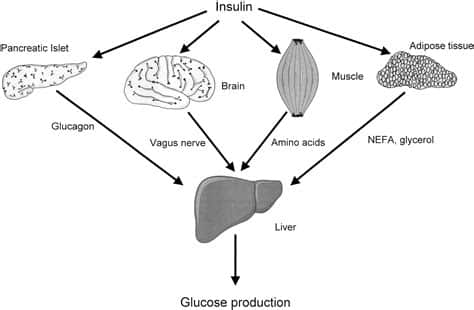
The metabolic functions of the liver
Hepatocytes They are metabolic super-workers in the body. They play a critical role in the synthesis of molecules that are used to support homeostasis, during the conversion of molecules from one type to another, and in the regulation of the energy balance.
The main metabolic functions of the liver can be summarized in a few broad categories:
- Carbohydrate metabolism
Maintaining blood glucose concentrations within a narrow, normal range is essential. Keeping blood glucose levels within normal limits over both short periods (hours) and long periods (days or weeks) is a particularly important function of the liver. Hepatocytes house numerous different metabolic pathways and utilize dozens of enzymes that are alternately activated or deactivated depending on whether blood glucose levels are rising or falling within the normal range.
. - Fat metabolism
Very few aspects of lipid metabolism are unique to the liver, but most are carried out primarily by the liver. Key examples of the liver's role in fat metabolism include:
- The liver is extremely active in the oxidation of triglycerides to produce energy. The liver breaks down many fatty acids, more than the hepatocytes need, and exports large quantities of acetoacetate into the blood where they can be taken up and easily metabolized by other tissues.
- A large proportion of lipoproteins are synthesized in the liver.
- The liver is the primary site for converting excess carbohydrates and proteins into fatty acids and triglycerides, which are then exported and stored in adipose tissue.
- The liver synthesizes large quantities of cholesterol and phospholipids. Some of these are packaged into lipoproteins and made available to the rest of the body. The remainder is excreted in the bile as cholesterol or bile acids.
- The liver plays a central role in all metabolic processes in the body.
. - In the fat metabolism, The liver cells break down fats and produce energy. They also produce about 800 to 1000 ml of bile per day. This greenish-yellow, brown, or olive-colored fluid is collected in small ducts and then passed into the common bile duct, which carries the bile to a part of the small intestine called the duodenum. Bile is important for the distribution and absorption of fats.
. - Carbohydrate metabolism
The liver helps ensure that blood sugar levels (glucose) remain constant. If your blood sugar rises, for example after a meal, the liver removes the sugar from the blood and stores it as glycogen. If someone's blood sugar levels are too low, the liver breaks down glycogen and releases sugar into the blood. In addition to sugar, the liver also stores vitamins and minerals (iron and copper), releasing them into the blood as needed.
. - Protein metabolism
The liver also plays an important role in the protein metabolismLiver cells break down amino acids in food so they can be used for energy, or to make carbohydrates or fats. A toxic substance called ammonia is a byproduct of this process. Liver cells convert ammonia into a much less toxic substance called urea, which is released into the bloodstream. Urea is then transported to the kidneys and eliminated from the body as urine.
The hormonal functions of the liver
- The Liver converts the thyroid hormone thyroxine (T4) in its more active triiodothyronine form (T3).
Thyroid hormones act as the body's thermostat, regulating the rate at which almost all biochemical reactions occur. Insufficient conversion of T4 to T3 by the liver can lead to hypothyroidism, which depletes energy, resulting in chronic fatigue, weight gain, memory problems, and a host of other issues.
- Growth hormone (HGH) is produced by the pituitary gland located in our brain.
This hormone leads to the secretion of the anabolic peptic hormone IGF-1 (also known as somatomedin C), an endocrine hormone produced by the liver, similar to insulin, which remains in the body for only a few minutes, and plays an influential role in virtually all muscle and bone systems, in the growth and repair of connective tissue, in the selective regulation of various aspects of metabolism, as well as helping to maintain normal brain function and heart health.
Growth hormone (HGH)Growth hormone has a lipolytic (fat mobilization), hyperglycemic, and diabetogenic effect; it stimulates chondrogenesis and osteogenesis via IGF, and it is antinatriuretic. A number of athletes and bodybuilders quickly realized that growth hormone has metabolic effects on their performance gains: increased muscle mass, modification of energy fibers, increased power, anti-aging properties, and sexual stimulation.
Adult HGH deficiency leads to a metabolic syndrome phenotype, namely increased adiposity, decreased muscle mass, metabolic disorders, and an increased risk of vascular complications.

- Anabolic steroids (AS) are effective in improving athletic performance.
Given that their use is often associated with an increase in the plasma activity of liver enzymes such as the transaminase (AST), alanine aminotransferase (ALT), alkaline phosphatase (AP), lactate dehydrogenase (LDH), and gamma glutamyl transferase (GGT). These enzymes are present in hepatocytes at relatively high concentrations, and an increase in plasma levels of these enzymes reflects hepatocellular injury or at least increased permeability of the hepatocellular membrane.
In bodybuilding, where high doses are usually used, after stopping steroid use, the Gonadotropin (HCG) It is often administered to stimulate testicular function. The effectiveness of this therapy is unknown.
- Insulin is produced by the β cells of the pancreas in response to high concentrations of glucose in the blood.
When a person hasn't consumed the necessary carbohydrates (sugars), the pancreas releases a hormone called glucagon to mobilize reserves in the liver. When we work out at the gym, our muscles need nutrients and become sensitive to any amount of insulin. The two main organs that eliminate excess insulin are the liver and the kidneys. In a non-diabetic patient, the liver removes approximately 601 TP3T of endogenous insulin via the hepatic portal vein, while the kidneys remove approximately 35 to 401 TP3T.
- The hepatoprotective action of 52 is unrivaled in liver care.
The natural ingredients in Liv.52 possess potent hepatoprotective properties against chemically induced hepatotoxicity. It restores normal liver function by protecting the hepatic parenchyma, thereby promoting hepatocellular regeneration. The anti-peroxidative activity of Liv.52 prevents the loss of functional integrity of the cell membrane, maintains cytochrome P-450 (an important and diverse group of enzymes that catalyze the oxidation of organic substances), accelerates recovery time, and ensures rapid restoration of liver function in infectious hepatitis.
- Desmodium is a genus of plants that belong to the Fabaceae family.
Its name comes from the Greek word "desmos," meaning a bond or chain, and refers to the plant's fruit. Due to their high flavonoid content, some Desmodium species are beneficial for the liver. They improve liver function and help prevent and combat liver problems such as hepatitis and cirrhosis.
The liver is the main organ for the breakdown of hormones after they have fulfilled their messenger function to their target cells.
For example, if the liver doesn't process insulin quickly enough, hypoglycemia results because insulin continues to lower blood sugar. If adrenaline isn't eliminated after fulfilling its function, this can lead to chronic periods of irritability and anger.
Proteins and the liver
The liver is the primary regulator of protein metabolism. It converts different amino acids into one another, as needed. The liver also synthesizes creatine from the amino acids glycerine, arginine, and methionine. Without creatine, a super-high-energy biochemical phosphate, sprint-type athletics would be biologically impossible.
The main proteins synthesized by the liver are summarized here:
- Albumin – 25% of protein production in the liver
- Globulins – A1
- Haptoglobulins
- Mucoproteins
- A2 – globulins
- Ceruloplasmin
- Glycoprotein
- Macroglobulin
- Plasminogen
- Prothrombin
- beta-globulins
- Low-density lipoproteins (LDL) and very low-density lipoproteins (VLD)
- Transferrine
- Blood clotting factors *
- Factors I, II, V, VII, VIII, IX and X
One of the liver's main functions is to produce proteins that are secreted into the bloodstream. Plasma proteins consist of many well-known proteins, including albumin, fibrinogen, and apolipoproteins. Factors involved in hemostasis and fibrinolysis, including coagulation factors, antitrypsin, and plasminogen, are secreted into the blood, as are transport proteins such as transferrin and retinol-binding protein. Examples of plasma proteins include APOB, APOA1, FGG, C2, KNG1, and FGA.
According to the American College of Sports Medicine (ACSM) and the American Dietetic Association (ADA), protein requirements increase slightly in very active people:
For endurance athletes, protein requirements are 1.2 to 1.4 g per kg of body weight per day, while those for strength and muscle-building sports can be as high as 1.6 to 1.7 g per kg of body weight per day.
These recommended protein intakes can generally be provided solely through diet, without the use of protein or amino acid supplements, if energy consumption is sufficient to maintain body weight.
The ACSM and ADA also state that quality protein consumed after exercise will provide amino acids for building and repairing muscle tissue.
Athletes should consume a mixed meal providing carbohydrates, protein, and fat shortly after intense competition or a training session.
The importance of the liver for athletes
A healthy liver is essential for optimal performance. Good liver function is necessary for burning fat, increasing muscle mass, and providing energy.
The liver eliminates toxins and manages the transformation of proteins and fats. A healthy liver burns fat and provides protein for muscle building.
A weak liver, or a liver that is burdened with toxins and stress, will not be able to perform these tasks effectively.
A healthy diet, being mindful of the amount of pills you ingest, and a few choice liver supplements, can preserve muscle mass, effectively burn fat, and keep your liver in good condition for years to come.
Here are some steps every athlete can take to protect the liver and ensure its proper functioning:
- Avoid alcohol and tobacco
- Getting enough sleep helps create a stronger immune system.
- Monitor protein intake, especially for bodybuilders and weightlifters.
- Consume high-quality supplements that are helpful for liver recovery, such as high-quality multivitamins and milk thistle.
- Closely monitor your use of performance-enhancing drugs. Steroid users, in particular, should see their doctor annually to have their liver enzymes checked.
- Avoid daily consumption of NSAIDs (non-steroidal anti-inflammatory drugs such as ibuprofen and acetaminophen)
- Regular exercise… exercise is very important for good liver function
- Adopt a diet that promotes liver health
- Avoid dehydration. Staying hydrated is essential. And don't underestimate the benefits of good old-fashioned pure water.
Liver diseases
Although liver diseases are typically linked to alcohol or drugs, the truth is that there are over 100 known forms of liver disease caused by a variety of factors and that affect us all, from babies to the elderly.
Here are a few examples:
- Hepatitis

- Biliary tract atresia
- Cirrhosis
- Cystic liver disease
- Liver steatosis
- Galactosemia
- Gallstones
- Gilbert's syndrome
- Hemochromatosis
- Liver cancer
- Liver diseases during pregnancy
- Neonatal Hepatitis
- Primary biliary cirrhosis
- Porphyria
- Sarcoidosis
- Toxic hepatitis
- Glycogen storage disease type 1
- Viral hepatitis A, B, C
- Wilson's disease
- Viral hepatitis
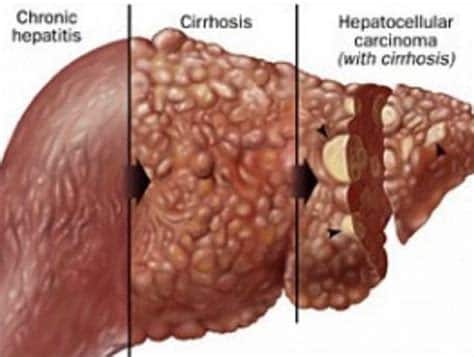
The liver and alcohol
Factors such as sex, age, nationality, weight, and health can affect how a person's liver metabolizes alcohol. When the liver has too much alcohol to process, normal liver function can be disrupted, leading to a chemical imbalance.
Alcohol transforms some liver cells into fat and damages others.
Alcohol is easily absorbed by the digestive tract, and up to 98% is metabolized in the liver. Each liver cell contains three pathways for alcohol metabolism.
With regular alcohol use, this regenerative capacity can be inhibited, leading to liver damage. Heavy, long-term alcohol consumption can result in the accumulation of fat in the liver, which can progress to alcoholic hepatitis or even liver cirrhosis.
That's why it's important to follow sensitive consumption guidelines and to have at least two alcohol-free days per week.
The maximum recommended intake for men is 4 standard drinks per day. For women, it is 2 standard drinks per day.
A standard drink contains 10 grams of alcohol, and is equivalent to an ordinary beer or a small glass of wine (100 ml).
More than six standard drinks per day for men, and four standard drinks for women, becomes dangerous for the liver. The long-term effects of alcohol on the liver include severe pain, inflammation (hepatitis), and cirrhosis.
Why and how to protect your liver
The liver is a wonderfully complex organ that nourishes and protects your body day after day. It helps neutralize and eliminate toxins, gives your body the energy it needs to function, fights viruses and infections, and regulates sex hormones, cholesterol, vitamin, and mineral levels in your body.
To preserve your liver health, it's important to understand the crucial roles the liver plays in maintaining your overall health and which activities you might take for granted can help or harm this vital organ. By educating yourself more about your liver and how to keep it healthy, you can significantly reduce your risk of developing not only liver disease but also other health conditions, including diabetes and heart disease.
Health, Lifestyle
A healthy diet and regular exercise help the liver function properly. An unhealthy diet can lead to liver disease. For example, a person who eats a lot of fatty foods is more likely to be overweight and develop non-alcoholic fatty liver disease.
Your food
Consume foods from all groups: grains, proteins, dairy products, fruits, vegetables, and fats.
Consume foods that have a lot of fiber, such as whole grain breads, rice, and cereals.
Consume fats in moderation. and favor the "good" ones, such as olive and canola oils, nuts and seeds.
Limit the amount of alcohol you drink.
Alcohol can damage or destroy liver cells. Liver damage can lead to fat accumulation in the liver (fatty liver), inflammation or swelling of your liver (alcoholic hepatitis), and/or scarring of your liver (cirrhosis). For people with liver disease, even a small amount of alcohol can worsen the condition. Talk to your doctor to determine how much alcohol is safe for you.
Liver-protective agents
- The Samagen, a vegetarian agent of milk thistle extract (Silybum marianum) in the composition of Samarin, protects the liver against all harmful influences and promotes the recovery of healthy cells in the liver.
- The Legalon® (MZ 80) helps maintain proper liver function. Legalon contains the patented extract of Silybum Marianum (milk thistle), which was developed by the German herbal medicine manufacturer Madaus in 1968. Clinical trials have shown that Legalon promotes liver health by:
- Inhibition of inflammatory cell activation
- Inhibition of oxidative stress
- Inhibition of the activation of hepatic stellate cells that cause fibrosis
- Helps with the renewal of normal and healthy liver cells.
- Manage your medications. When medications are taken incorrectly—by taking too much or even mixing them—the liver can be affected. Learn about the medications and how they can affect the liver. Follow the dosage instructions. Talk to a doctor or pharmacist often about the medications you are taking.
- Avoid breathing in or touching toxins. Toxins can damage liver cells.
- Limit direct contact with toxins from cleaning products and aerosols, insecticides, chemicals and additives in cigarettes.
- Do not smoke
How to cleanse your liver
Your liver is a bit like the body's cleaner. It cleanses the blood of all the toxins we absorb and maintains the proper functioning of internal systems.
Modern diets, environmental pollutants, and our increasing reliance on toxic household and personal care products have forced our livers to work long overtime and struggle to keep up. For this reason, it's important to know how to cleanse the liver thoroughly, effectively, and naturally.
The thousands of enzyme systems responsible for virtually all bodily functions are produced in the liver; the proper functioning of the eyes, heart, brain, joints, and kidneys depends on healthy liver activity. If the liver stops producing even one of the thousands of enzyme systems the body needs, overall bodily function is impaired, and the individual experiences increased metabolic stress.
You can try a quality liver detox supplement, or you can use some items found at your local health food store, grocery store, or even some that are already in your kitchen.
Here's how to cleanse your liver with 5 common foods
- Lemon and hot water Hot water and lemon is an excellent way to detoxify your liver each morning. It's not lemonade, so there's no need to add sugar or anything else. Just pure water and a good dose of fresh lemon juice.
- Garlic Add some garlic to your cooking or mince a clove into your next salad. Garlic contains sulfur compounds that can help activate enzymes in the liver. It also contains allicin and selenium, both of which are effective in protecting the liver.
- Lawyers As if you needed another reason to add avocados to your diet, a Japanese study found that avocados contain compounds that can protect the liver. Compared to 21 other fruits, avocados showed the most promise in protecting the liver against galactosemia, a "powerful" toxin that damages the liver much like human viral hepatitis.
- Coriander This versatile herb can be added to almost any dish, including salads and smoothies. It may also help eliminate heavy metals from the body.
- Turmeric – Another powerful spice with a long list of benefits, turmeric not only protects the liver from damage but also promotes liver cell regeneration. Furthermore, it increases bile production and helps eliminate toxins.
Cleansing your liver is essential; don't hesitate to incorporate these cleansing solutions today.
Conclusion
The link between good health and good nutrition is well established. The study of nutrition and its impact on athletic performance is now a science in its own right.
A healthy lifestyle is a way of living that reduces the risk of becoming seriously ill. Not all diseases are inevitable, but coronary heart disease and lung cancer, in particular, can be prevented.
Health is not just about avoiding illness, but also about maintaining physical, mental, and social well-being. Whether you're a competitive athlete, a weekend sports enthusiast, or a daily recreational athlete, the foundation for improved performance is a balanced diet.
Good morning!
I need some advice. It's been about five years since I stopped using drugs, alcohol, or even cigarettes, but I had a back injury. I have two herniated discs, but I've slowly started training again. The problem is that I'm taking 100 mg of Oxyneo twice a day and 4 mg of Dilaudil five times a day for the pain. Also, I had a vasectomy. Can I take D-bol? Any answers would be appreciated.
Hello,
To better assist you, we invite you to contact our professional coach for any advice regarding our products and cycles: https://upsteroide.to/conseils-cure//
He will be happy to advise you free of charge to help you achieve your goals.
Hello,
What are the symptoms of a liver problem? Pain? Discomfort? Urine color? I ask these questions because I'm new here, and I can't find anyone around me who is knowledgeable enough to ask them.
I'm taking 50mg of Winstrol daily with Legalon, and unfortunately, I don't have enough Legalon to last until the end of my cycle. I still have two weeks of treatment left, and if I order more, it won't arrive for another three weeks. So, I'm going to continue my cycle without Legalon.
Hello,
To better assist you, we invite you to contact our professional coach for any advice regarding our products and cycles: https://upsteroide.to/conseils-cure//
He will be happy to advise you free of charge to help you achieve your goals.
You only get one chance! It's an organ necessary for the proper functioning of the body, so it's absolutely essential to think about protecting it.