


What is gynecomastia and what are the appropriate medical and surgical treatments for its proper management?
You may have heard of "man boobs" or "bitch tits," which is actually a symptom that can occur in some men or young boys. Scientifically called gynecomastia, It's not a serious condition, but it is rather humiliating and quite uncomfortable for the individual. Gynecomastia can be a side effect of taking certain steroids, easily controlled with proper protection.
What is gynecomastia?
Gynecomastia is a male symptom: the breasts will overdevelop and begin to take on the shape and size of a female breast.
The main reason for breast growth in men is high estrogen and low testosterone levels. Estrogen is a female hormone, and testosterone is a male hormone. This gradually causes the glandular tissue to swell, eventually forming larger breasts (or mammary buds). This condition can occur in older men, adolescents, and even babies.
This condition can be caused by several factors, including kidney failure, certain medications such as antibiotics, hormonal imbalances, or excessive alcohol consumption. It can also be a genetic disease, passed down through generations.
Steroids and Gynecomastia
Steroid use is one of the leading causes of gynecomastia in men. Anabolic steroid users are more likely to develop gynecomastia than non-users.
Athletes take steroids in an attempt to increase their testosterone levels. Normally, most anabolic steroids contain high levels of testosterone. But the body will automatically convert the testosterone into estrogen, which then accumulates in breast tissue.
The conversion of testosterone to estrogen is called aromatization, which leads to hormonal imbalances in the body. This hormonal imbalance is one of the main causes of gynecomastia.

This means the body will have an excess of estrogen but limited testosterone. More estrogen in the body can strongly lead to the growth of glandular tissue. When the glandular tissue becomes larger, the excess estrogen in the body will automatically send a signal to the testicles. This is why the testicles will have a slower production of testosterone. When the body is in this state, a person will have larger breasts.
The only problem here is that when glandular tissue enlarges, it won't return to its original size. The enlarged breasts will remain large, even after you stop using steroids. However, there are specific treatments for gynecomastia that are highly effective.
How to treat gynecomastia?
There are many remedies that can help get rid of male breasts. You can use specific medications, but the most effective and widely considered solution is surgery.
Treating gynecomastia with medication
Some of the common medications used to treat gynecomastia are:
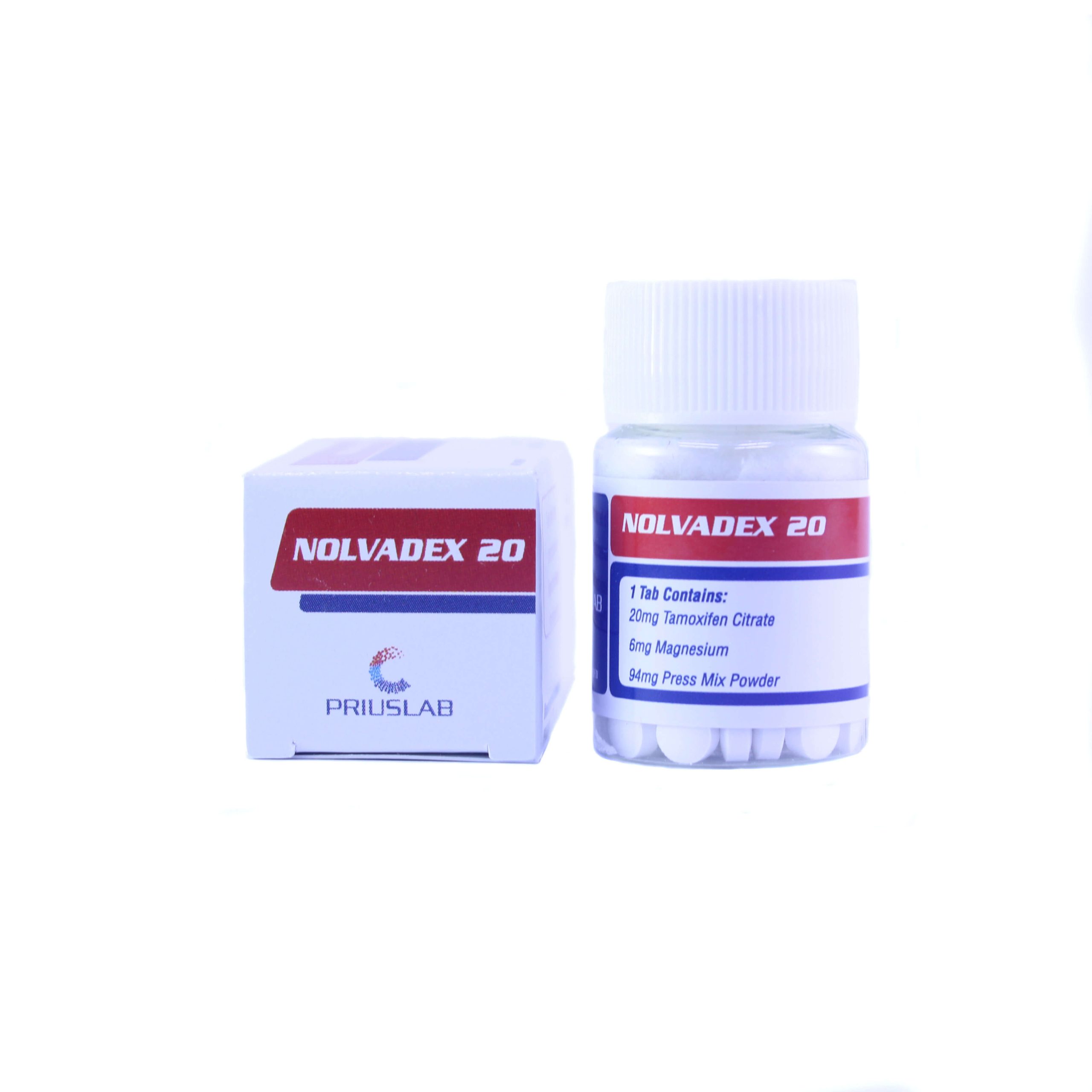 • Tamoxifen (Nolvadex). This is a medication that inhibits estrogen activity in the body. In other words, estrogen is present in the body but will not be active. It has been reported that it can help reduce breast size in men, and it also relieves pain caused by enlarged breasts.
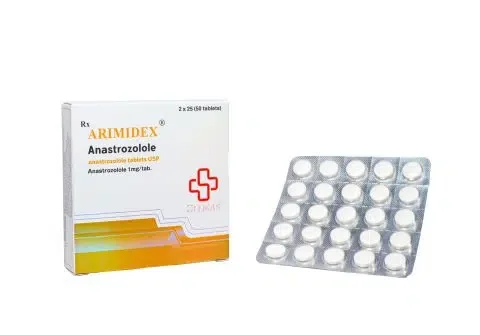
• Aromatase inhibitors. This is a group of drugs (Arimidex, Femara, Examestane…) which are normally used to treat ovarian and breast cancer. They have also been shown to help prevent and resolve gynecomastia problems in men.
Hormone replacement therapy
This is another remedy that may work, but only for some people. Essentially, it will increase testosterone levels in people who have low levels. However, it won't work for men who have normal testosterone levels.
Treating gynecomastia with surgery
This is the most effective method, having worked in numerous cases. This method is based on the two components of the breast: soft adipose tissue and firm glandular tissue. The ratio of these two will vary from patient to patient. Some types of surgery performed on patients include the following:
• Liposuction, the purpose of which is to remove excess fatty tissue from the breasts. If the person has a significant amount of fatty tissue, an incision of approximately 3 to 4 mm will be made, and a small tube will be inserted. This tube is then used to suction out the excess fatty tissue.
• Excision. Technically, this involves using a scalpel to cut body tissue.
Assuming the breasts have enlarged due to excess glandular tissue, then excision will be the most suitable method. The only drawback of this method is that it leaves a scar. The most common area to be scarred is the edge of the nipple, which is cut to remove the excess tissue. If more skin and tissue need to be removed from the breast, the surgeon will make a larger incision. The larger the incision, the larger the scar on the chest.
The type of surgery to be performed will be determined by the surgeon, who will need to study the patient's condition and opt for the most appropriate method.
Of all the gynecomastia treatments, surgery is the most effective and also the most expensive compared to medication. Furthermore, the only side effect of surgery is that it will leave a scar, which may gradually fade.
Hi, I'm a man, 1.75m tall and weighing 85kg. I've already felt my breasts swell a bit after a course of treatment, and luckily I knew the symptoms, so I stopped immediately. Now I use protection and have no problems. However, I respect the dosages and am also learning to understand my body.
Hello,
Indeed, knowing yourself is very important. Otherwise, I invite you to contact our coach directly at: https://upsteroide.to/conseils-cure/
He will be happy to advise you free of charge to help you achieve your goals.
Hi, I'm a man, 1.75m tall and weighing 85kg. I've already felt my breasts swell a bit after a course of treatment, and luckily I knew the symptoms, so I stopped immediately. Now I use protection and have no problems. However, I respect the dosages and am also learning to understand my body.
Hi, I'm a man, 1.75m tall and weighing 85kg. I've already felt my breasts swell a bit after a course of treatment, and luckily I knew the symptoms, so I stopped immediately. Now I use protection and have no problems. However, I respect the dosages and am also learning to understand my body.
Hi, I'm a man, 1.75m tall and weighing 85kg. I've already felt my breasts swell a bit after a course of treatment, and luckily I knew the symptoms, so I stopped immediately. Now I use protection and have no problems. However, I respect the dosages and am also learning to understand my body.
Hi, I'm a man, 1.75m tall and weighing 85kg. I've already felt my breasts swell a bit after a course of treatment, and luckily I knew the symptoms, so I stopped immediately. Now I use protection and have no problems. However, I respect the dosages and am also learning to understand my body.
It's a little scary.
Hey, what steroids did you take?