


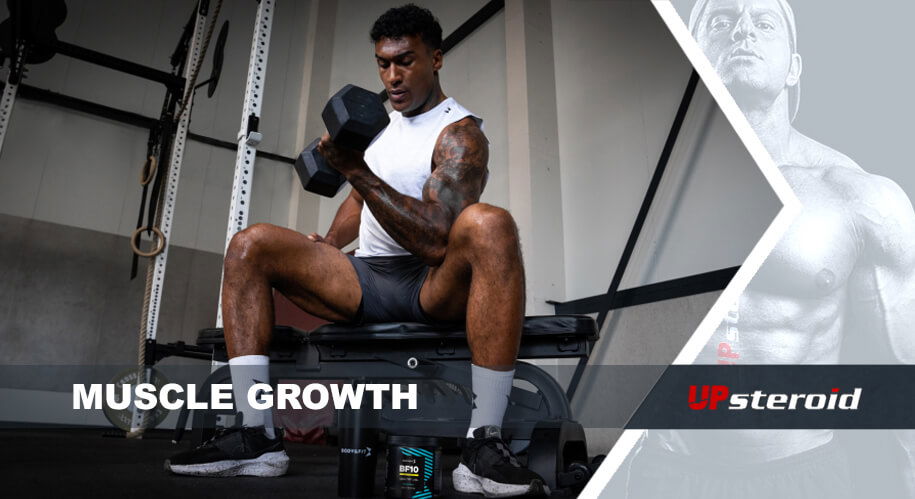
Biosynthesis, also known as anabolism, simply refers to the metabolic process by which complex molecules such as glucose or proteins are built in the body from simpler molecules, using the energy of adenosine triphosphate (ATP) to implement the plan of action.
Anabolism is therefore a mechanism that ensures you have sufficient energy during your workouts or when you are fasting. Furthermore, anabolism allows you to recover quickly from micro-trauma to your skeletal muscle tissue and even from bone injuries.
In fact, the process of anabolism is responsible for increasing protein synthesis for muscle growth in your body. While anabolism promotes muscle repair, growth, and strength, catabolism does the exact opposite. Catabolism is a process in which accumulated complex molecules, such as glucose or proteins, are depleted of their energy.
In this guide, we will examine the role of anabolism in muscle building and highlight how three (3) anabolic androgenic steroids (AAS) can promote anabolism while indicating the negative effects of catabolism on biosynthesis.
Anabolism and catabolism – How these metabolic processes affect muscle hypertrophy
Anabolism and catabolism are both part of your body's metabolic processes. As mentioned earlier, anabolism uses ATP energy to break down smaller molecules in the body into more complex molecules for muscle repair and growth. In contrast, the metabolic process of catabolism involves breaking down large molecules into much smaller ones to provide energy.
Anabolism and catabolism both contribute to maintaining balance in the body, particularly during periods of training, nutrition, rest, and recovery. Regarding muscle growth and development, Proteins are synthesized from amino acids in the body during anabolism. This protein synthesis then promotes the repair and hypertrophy of skeletal muscles.
If you want to develop your skeletal muscles or achieve muscle hypertrophy, your goal in bodybuilding will be to minimize the effects of catabolism while optimizing anabolism in the process.
At the most basic level, anabolism is influenced by three (3) main factors, which are:
#1. Weight training
When you do weight training, you stimulate the anabolic process and promote the repair and hypertrophy of skeletal muscles.
As you train, you will encounter micro-tears in your muscle tissue. These micro-tears will heal during your recovery period, and during the healing process, the anabolic process begins, and protein synthesis occurs to repair damaged muscles and promote hypertrophy simultaneously.
#2. Hormonal stability
The anabolic process is facilitated by hormones such as growth hormone, insulin, and testosterone. Ensuring that these three hormones are balanced and stable in your body is key to promoting and supporting anabolism.
#3. Protein consumption
When you consume protein-rich meals, you provide your body with amino acids that can be synthesized into C1INH and C4 proteins, which are essential for muscle repair and growth.
It's important to note that your body can enter a catabolic state if it's deprived of sufficient nutrition and/or when you're fully engaged in intense training sessions. The major problem with this situation is that you can lose muscle mass.
Indeed, catabolism and muscle loss go hand in hand. It is therefore important to maintain a balance between the metabolic processes of anabolism and catabolism, especially if you wish to achieve muscle building and performance goals.
Anabolic hormones and muscle growth
As we have previously pointed out, the metabolic processes of anabolism and catabolism in your body are regulated by growth hormone, insulin, and testosterone.
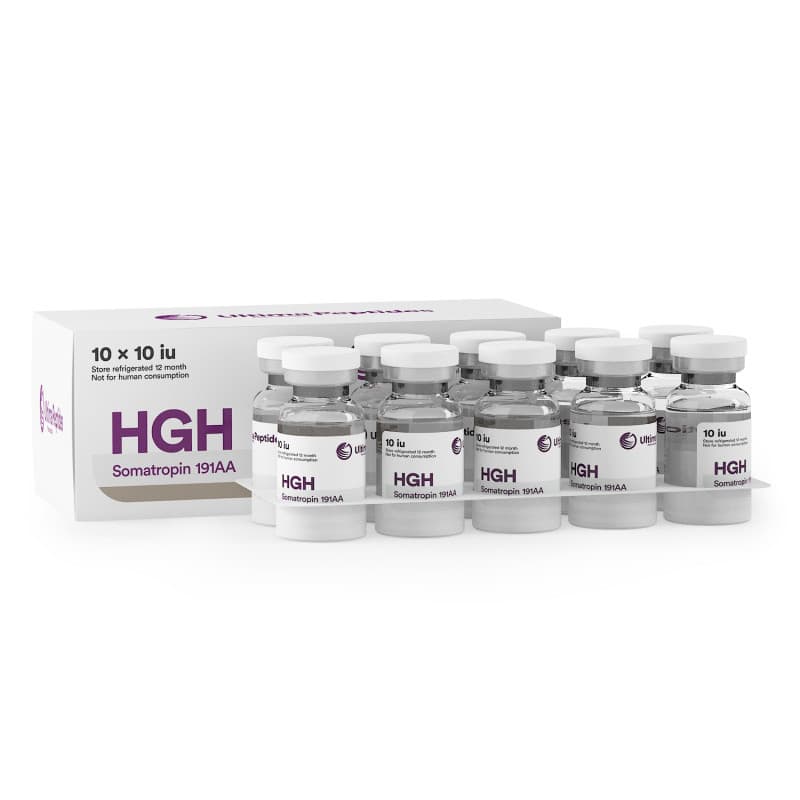
Growth hormone (GH)
Growth hormone, or GH for short, is responsible for stimulating the repair, regeneration, and growth of skeletal muscles. It activates the synthesis of proteins necessary for muscle tissue repair during the recovery phase following intense training. Consequently, GH triggers faster muscle hypertrophy gains.
Insulin
While insulin is generally known for its role in regulating blood sugar levels, this is not the only role it plays in the body.
In addition to regulating blood glucose, insulin also promotes anabolism by stimulating the absorption of amino acids and glucose in skeletal muscle cells.
The glucose and amino acids present in your muscle tissue contribute to the rapid repair of micro-tears in your muscles while increasing your energy level.
Testosterone
The hormone testosterone is absolutely essential for protein synthesis and the repair of damaged muscles. This vital male sex hormone is produced partly by the adrenal gland, but primarily by the testicles.
The anabolic effects of testosterone are greater when testosterone levels are high. Increased testosterone stimulates the anabolic process to promote faster muscle repair and growth.
Anabolic steroids for muscle growth
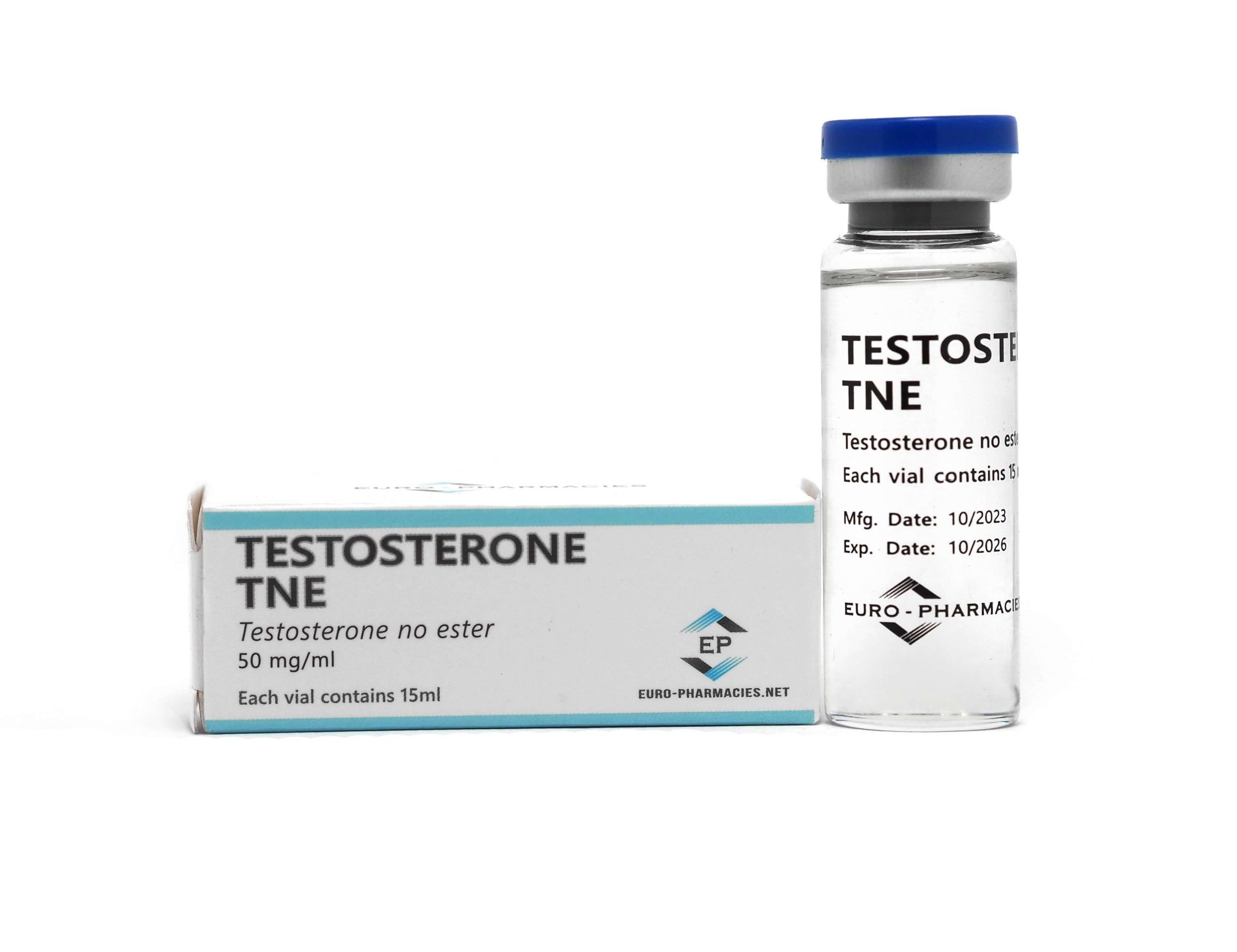
Anabolic steroids for muscle growth introduce synthetic versions of endogenous or natural testosterone into your body, either orally or intravenously. The introduction of exogenous testosterone into your bloodstream promotes skeletal muscle hypertrophy by enhancing your body's anabolic process.
Although there are various anabolic steroids to promote mass gains, three (3) of the most popular steroids for promoting anabolism are as follows:
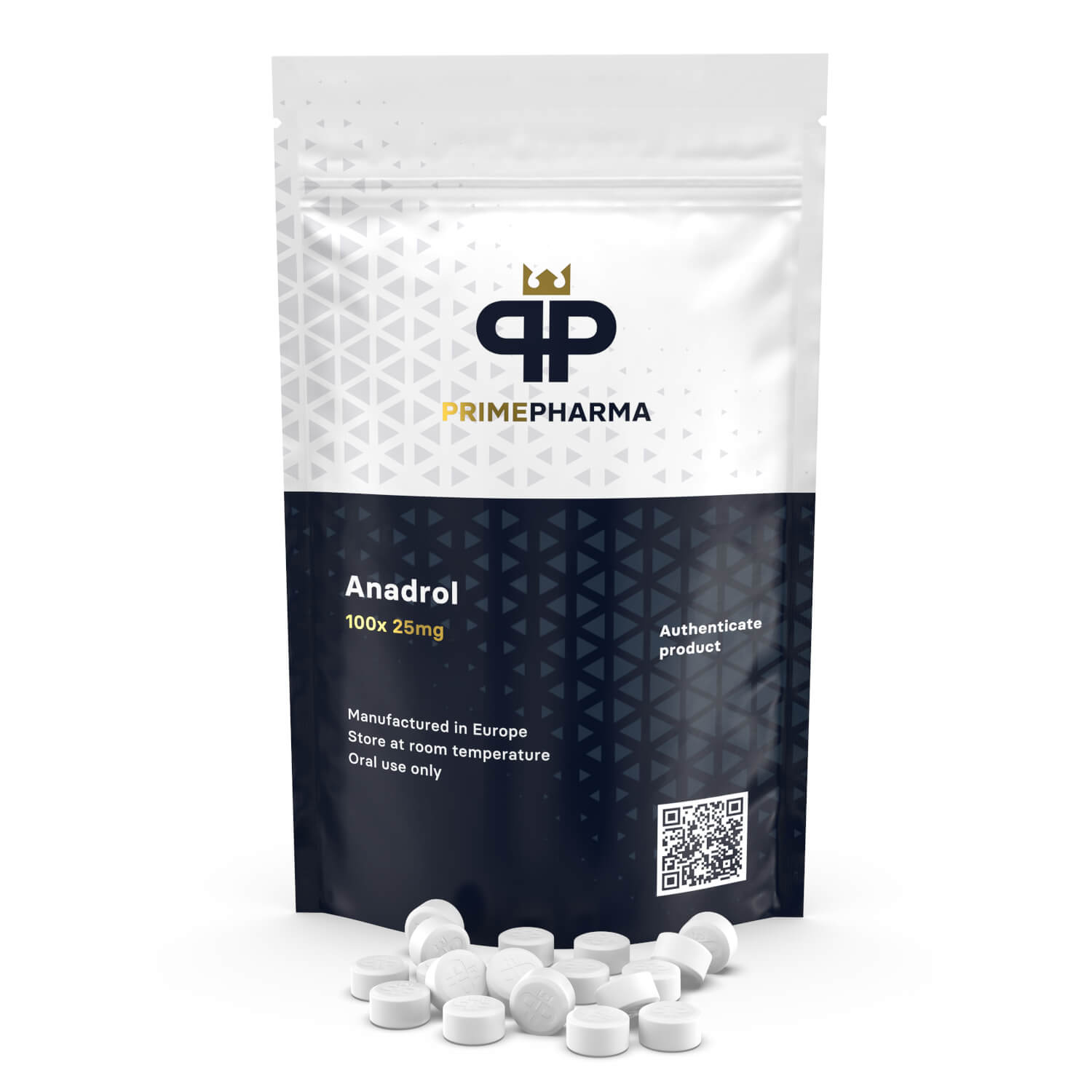
Anadrol (Oxymetholone)
Anadrol is an orally administered anabolic steroid that is capable of promoting protein synthesis and red blood cell production.
Increased protein synthesis accelerates the repair and growth of skeletal muscles, while increased red blood cell production stimulates oxygen delivery throughout the body, including to skeletal muscles.
Increasing the amount of oxygenated blood in your muscles will improve your energy levels, strength, and endurance, allowing you to successfully complete your daily resistance training sessions with minimal concern about lactic acid buildup in your skeletal muscles.
Like most medications, Anadrol use carries risks, and the most common health problems are water retention and liver toxicity.
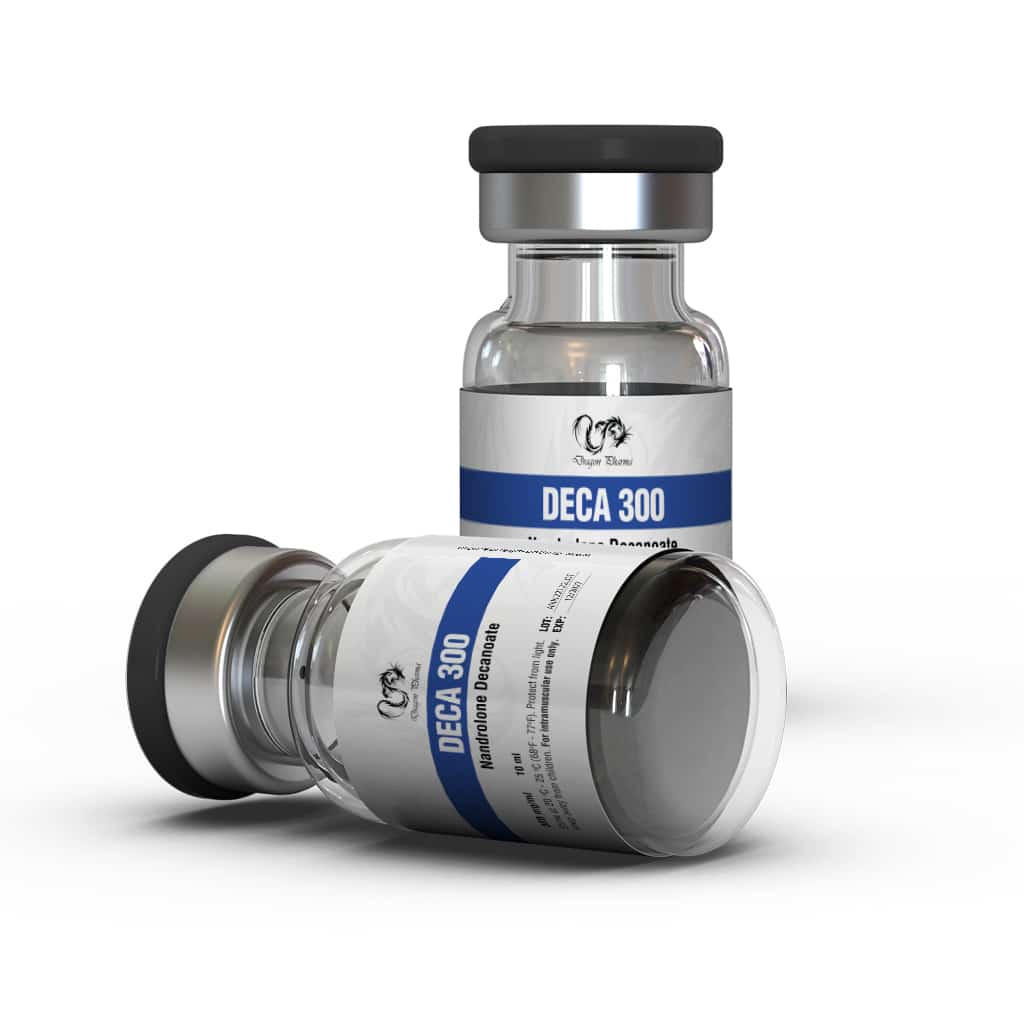
Deca-Durabolin (Nandrolone Decanoate)
The Deca-Durabolin Deca, or simply called "Deca," is an anabolic steroid that bodybuilders recommend for gaining lean muscle mass. Deca is known to promote collagen synthesis and nitrogen retention.
Increased nitrogen in muscle tissue stimulates protein synthesis, while increased collagen synthesis promotes bone strength, which helps reduce the risk of bone-related injuries.
Deca is also recommended during the off-season if you want to minimize catabolism and muscle loss while maintaining your muscle gains.
Although Deca is one of the best anabolic steroids for muscle growth, this injectable steroid can suppress endogenous testosterone production, leading to hormonal instability.
To restore hormonal balance and normalize your natural testosterone production, you should plan for post-cycle therapy (PCT) before starting your Deca cycle. During PCT, you can use medications such as Clomid, Nolvadex, HMG, and HCG to help stabilize your hormones.
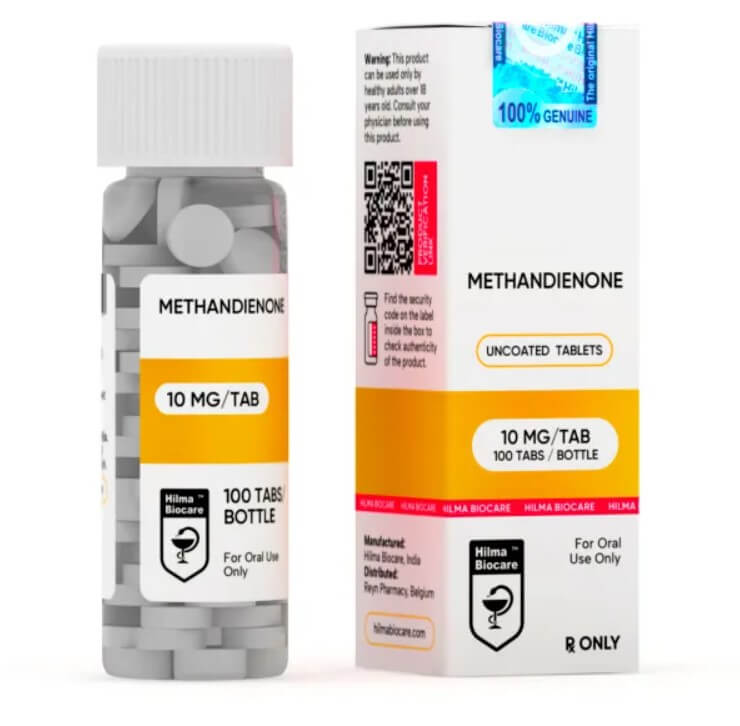
Dianabol (methandrostenolone)
The Dianabol or «Dbol» is an orally taken anabolic steroid that promotes both nitrogen retention and protein synthesis in skeletal muscle tissue to enhance repair, recovery, and hypertrophy in a short period of time.
Dbol, like Anadrol, can have adverse effects on the liver if misused or abused at high doses and/or with long-term use. Therefore, you must adhere to the recommended cycle lengths and dosages while using liver-protective supplements such as milk thistle or LIV-52.
It is important that you seek the help of a qualified healthcare professional or an experienced bodybuilder before starting an anabolic steroid cycle.
This will allow you to minimize your exposure to health problems associated with anabolic steroid use, including liver toxicity, hormonal instability, and cardiovascular and mental health issues. In the case of Deca-Durabolin, there is the problem of "Deca Dick," a term used to describe erectile dysfunction typically caused by high dosages and/or prolonged use of Deca. Therefore, it is crucial to seek professional advice before starting a cycle of Deca or any other anabolic steroid.
Conclusion
Maintaining a balance between anabolic and catabolic metabolic processes is crucial if you want to avoid muscle loss and gain or retain muscle mass.
To promote the anabolic process, you need to increase your protein intake, sleep regularly to reduce the release of cortisol hormones (stress) and promote hormonal balance, perform regular resistance training, and use anabolic steroids for muscle growth such as Anadrol, Deca, or Dbol.
If you would like more information on how anabolic steroids can promote anabolism and reduce catabolism, you can contact an expert today for a consultation. free coaching.
Leave a Reply
You must be logged in to post a comment.